Resource Visa mobilises specialist personnel into Australian power generation and renewable energy projects, turbine installation and commissioning, planned outages, battery and grid infrastructure, and the OEM specialists who commission proprietary plant.
Sector detail
What’s specific to energy and renewables
It is heavily OEM-dependent. Turbine and inverter technology is proprietary and the manufacturer’s authorisation is frequently the core of the case. Commissioning programs on large projects often run past three months, which is where the 400 usually stops being the answer. For long programs, the anchor role may need a 482, with a 400 only for a genuinely separate, one-off visit. Splitting a program into phases works only where each phase is a genuinely separate scope, documented before anyone travels. The subclass 482 Skills in Demand visa has three streams: Specialist Skills, Core Skills and Labour Agreement. The Specialist Skills stream is open to most occupations where the salary meets its income threshold. It isn’t available for technicians and trades workers, machinery operators and drivers, or labourers, whatever the salary.
Program over three months? Read Short Stay Specialist visa (subclass 400) vs Skills in Demand visa (subclass 482).
Put a number on the delay: liquidated damages on a late commercial operation date, and the cost of missing a fixed grid-connection window.
On battery and grid work, plan for electrical licensing for HV work.
Roles
Role guides for energy and renewables employers
Each page covers which visa typically applies to that role, what the application has to evidence, and what usually goes wrong.
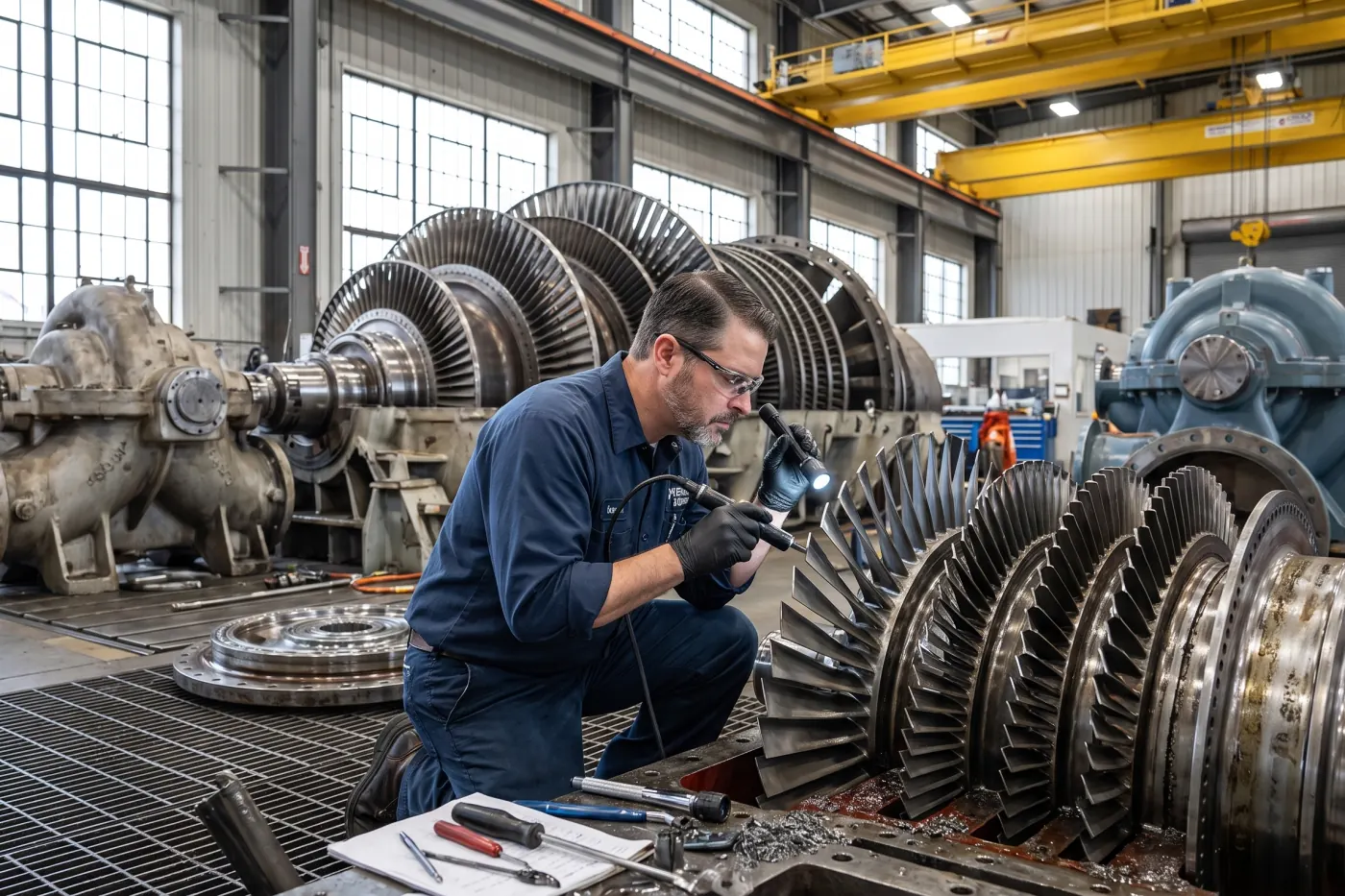
Rotating Equipment & Turbine Specialists
Mobilising OEM turbine, compressor and rotating equipment specialists into Australian sites. What the OEM letter needs to say, and why it matters.
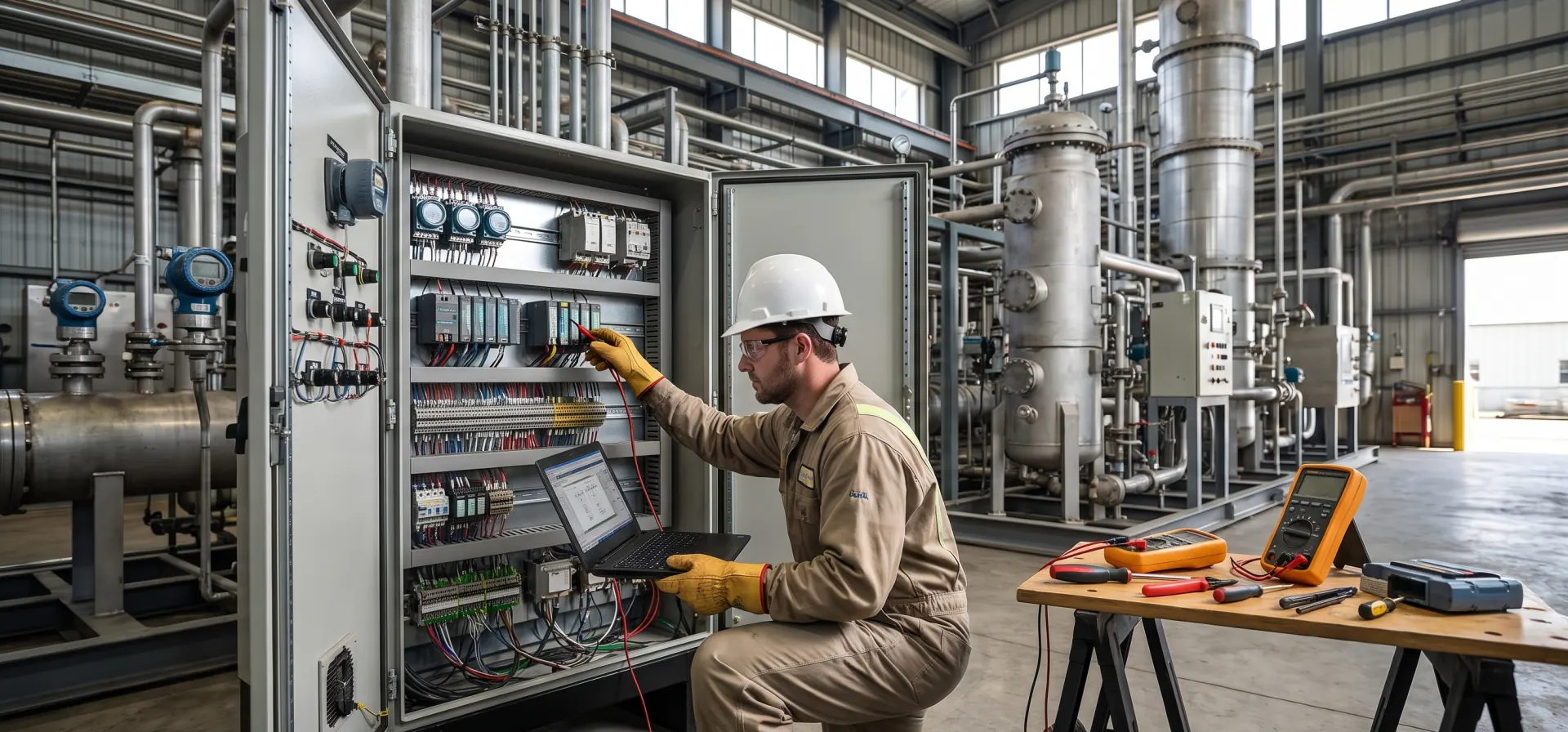
Instrumentation & Controls Technicians
Bringing DCS, SCADA and PLC platform specialists to Australian sites. Why platform-specific expertise is usually the core of the case.
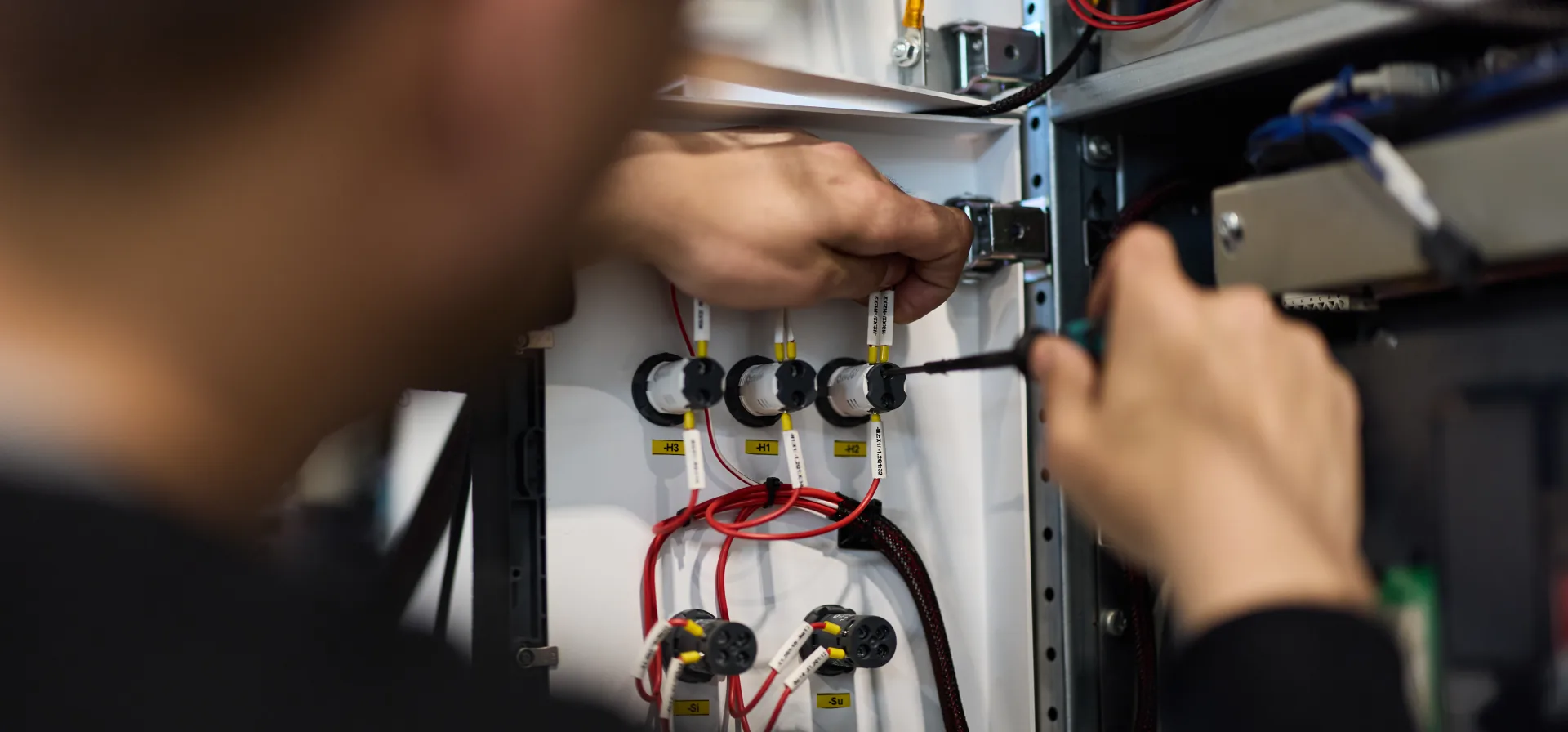
HV Electrical Technicians
Bringing high voltage electrical specialists into Australian sites. Why electrical licensing is often the constraint, not the visa.
Mobilisation events
The events that trigger a visa need
Commissioning & SAT
Bringing a vendor or OEM engineer to Australia for commissioning or acceptance testing. Which visa applies and what the application must prove.
Shutdowns & Turnarounds
Bringing overseas specialists in for a plant shutdown or turnaround. What the Subclass 400 covers, how far ahead to start, and what happens when the date moves.
Unplanned Breakdowns
Production stopped and the specialist is overseas. What to have to hand when you call, and which work visa fits an emergency repair.
FAQs
Frequently asked questions
A visitor visa doesn’t allow work. Business visitors can make general business or employment enquiries; investigate, negotiate, enter into or review a business contract; take part in an official government-to-government visit; or attend a conference, trade fair or seminar if the organisers aren’t paying them. Hands-on activity, such as running or directing a test, a repair or commissioning, is work and needs a work visa.

Normally up to three months in any 12-month period, counting every 400 stay with any employer. Up to six months only in exceptional circumstances, on strong evidence. A specialist who has already spent time in Australia on a 400 in the last 12 months may be granted only the balance, so offshore and FIFO rosters that add up to more than three months a year need a different visa.
Reviewed by a Registered Migration Agent (MARN 1686595) · Last reviewed [date]
Commissioning date fixed and the OEM engineer overseas?
Twenty minutes. No obligation. Direct with a Registered Migration Agent. Tell us the role, the site and the date.
Monday to Friday, 9am to 5pm AWST